5 Beginner-Friendly Yoga Poses for the Occasionally Flexible
Yoga is an excellent way to improve flexibility and overall well-being, even for those who may not be regularly active. If you identify as occasionally flexible, starting with beginner-friendly poses can help you gradually enhance your practice. Here are five simple yoga poses that you can easily incorporate into your routine:
- Cat-Cow Stretch: This dynamic stretch warms up the spine and opens up your back.
- Downward Facing Dog: A great pose for stretching the hamstrings and calves while strengthening your arms.
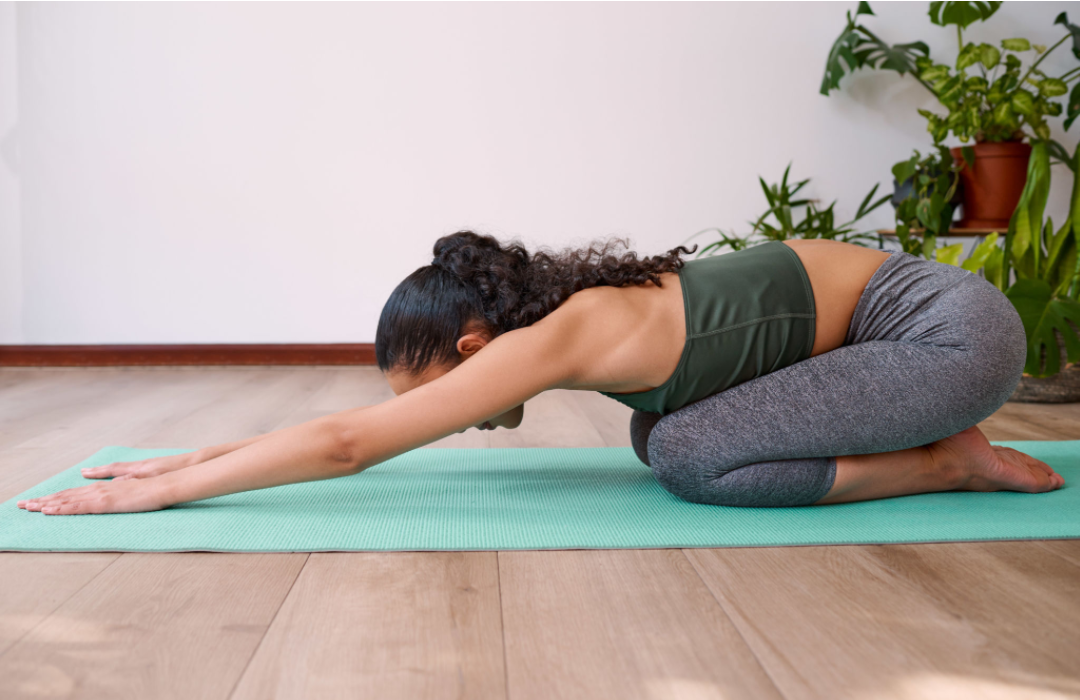
- Child's Pose: A gentle resting pose that stretches the hips, thighs, and relieves tension.
- Warrior I: This pose strengthens your legs and opens up your chest while improving balance.
- Cobra Pose: An excellent way to strengthen the spine and open up the chest.
How to Build Flexibility Through Yoga: Tips for Every Body
Building flexibility through yoga is beneficial for everyone, regardless of age or physical condition. To start, it's essential to incorporate gentle stretches into your routine. Begin with basic poses like Child’s Pose and Cobra Pose, which help open up tight muscles. Remember, flexibility is a gradual process; listen to your body and avoid pushing beyond your limits. Here are some tips to enhance your yoga practice:
- Warm up properly with dynamic stretches.
- Focus on deep breathing to increase relaxation.
- Practice regularly, aiming for at least 2-3 sessions per week.
In addition to traditional yoga poses, incorporating props such as blocks and straps can significantly enhance your flexibility. These tools provide support, allowing you to achieve deeper stretches without straining your muscles. Don't forget to include yin yoga in your practice, as it involves long-held poses that target deep connective tissues, promoting greater flexibility over time. Always remember, yoga is about progress, not perfection; celebrate your small victories and enjoy the journey towards a more flexible you!
Can Yoga Improve My Flexibility? Exploring the Benefits and Myths
Yoga has long been celebrated for its ability to enhance flexibility, making it a popular choice for individuals of all ages. The various poses, known as asanas, target different muscles and joints, gradually increasing the range of motion. Many practitioners find that consistent practice strengthens their bodies while simultaneously improving flexibility. However, there are myths surrounding yoga’s effectiveness—some people believe that yoga can instantly increase flexibility without any effort. In reality, it requires dedication and time, with noticeable improvements often manifesting over weeks or even months of regular practice.
While many enjoy the immediate benefits of yoga, such as stress relief and improved posture, the long-term effects on flexibility can be even more rewarding. As practitioners develop a deeper understanding of their bodies through yoga, they often discover an enhanced awareness of movement and alignment. This awareness helps in preventing injuries in other physical activities. Additionally, incorporating a variety of styles, from gentle Hatha to more dynamic Vinyasa flows, can cater to different flexibility needs and preferences. Ultimately, whether you are a beginner or an experienced yogi, embracing a mindful practice can significantly contribute to improved flexibility and overall well-being.