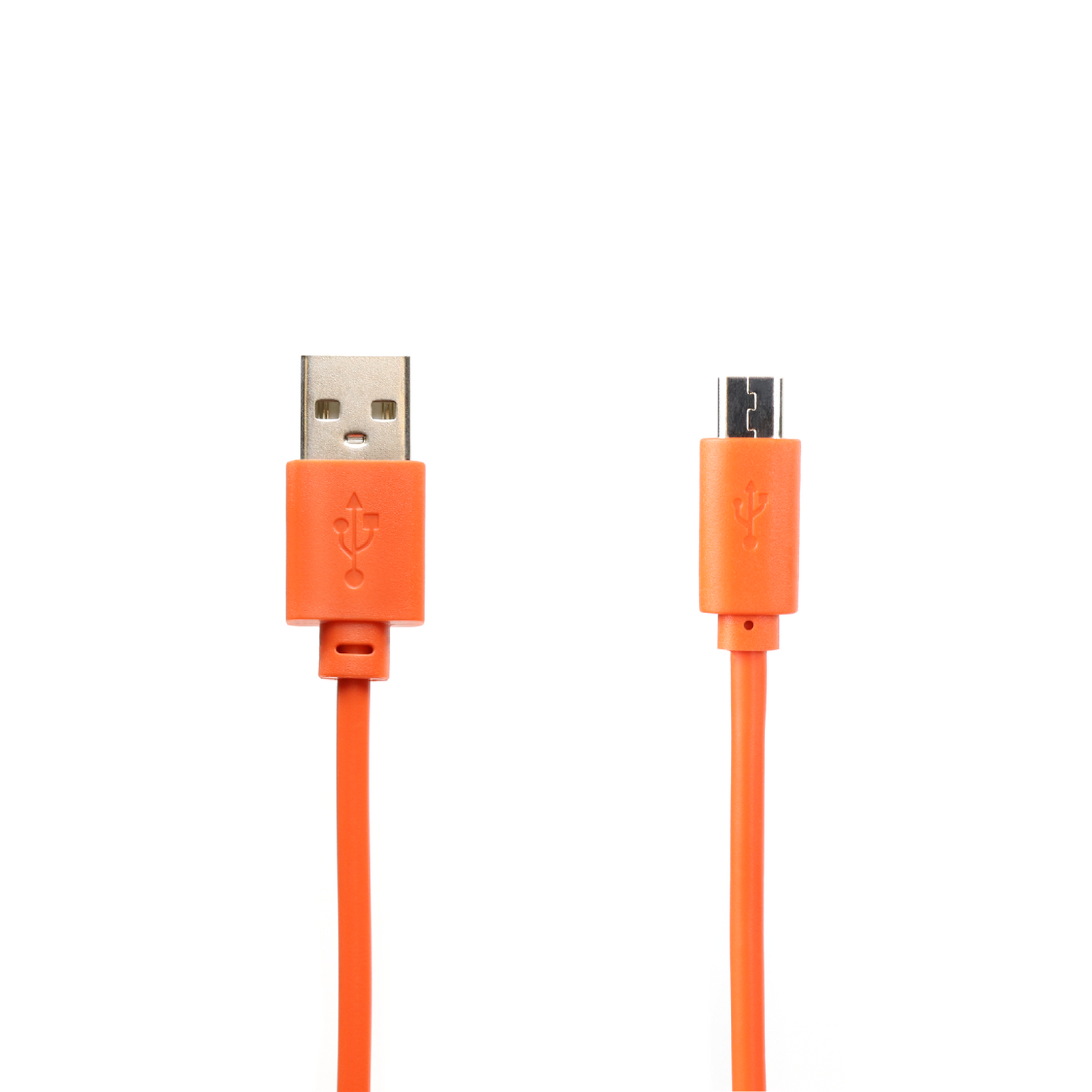
The Evolution of USB: From A to C and Beyond
The Universal Serial Bus, or USB, has undergone significant changes since its inception in the mid-1990s. Initially launched as USB 1.0, it delivered data transfer rates of up to 12 Mbps, revolutionizing how devices connected to computers. Over the years, the standard evolved through several iterations, including USB 2.0, which increased speeds to 480 Mbps, and USB 3.0, capable of handling 5 Gbps. These advancements not only improved data transfer efficiency but also introduced features like plug-and-play capabilities, allowing for a more user-friendly experience.
As technology progressed, so did the physical design of the USB connector, leading to the introduction of the widely adopted USB Type-C. With its reversible design and advanced functionalities such as faster charging and data transfer rates of up to 10 Gbps, USB-C has become the standard for many modern devices. Moreover, the future of USB looks promising with emerging technologies like USB4, which aims to unify the ecosystem by providing even higher speeds and enhanced capabilities. As we look beyond USB-C, the evolution of this versatile standard continues to shape the way we connect and interact with technology.
If you're looking for a convenient way to keep your devices powered up, check out the Top 10 Charging Stations with Cables. These stations come with built-in cables for various devices, making charging hassle-free. With options for multiple ports and sleek designs, you can easily charge all your gadgets in one place.
How USB Revolutionized Data Transfer and Device Connectivity
The advent of USB (Universal Serial Bus) technology in the mid-1990s marked a pivotal moment in the landscape of data transfer and device connectivity. Prior to USB, users faced a myriad of connection types, often leading to confusion and inefficiency. With USB, the introduction of a universal connector simplified the process of connecting peripherals to computers, facilitating seamless data exchange. Devices such as printers, cameras, and external storage drives quickly adopted this standard, revolutionizing the way we interface with technology and laying the groundwork for faster and more efficient data communication.
Not only did USB streamline hardware connections, but it also evolved into a powerful medium for data transfer, significantly enhancing transfer speeds and enabling features like plug-and-play. The introduction of various USB standards, from USB 1.0 to the latest USB4, has further accelerated transfer rates and increased the capabilities of connected devices. As a result, users can now enjoy faster backups, more efficient workflows, and the ability to connect multiple devices without compromising performance. USB is not just a connection; it has become an essential component in the evolution of modern technology.
What Makes USB the Go-To Standard for Modern Technology?
In the rapidly evolving world of technology, USB (Universal Serial Bus) has emerged as the go-to standard for connecting a wide array of devices. Originally introduced in the mid-1990s, USB has evolved significantly, adapting to the demands of modern computing. Its versatility is perhaps its greatest asset—allowing for the connection of everything from keyboards and mice to external drives and smartphones. This standardization not only simplifies the user experience but also enhances compatibility across multiple platforms, ensuring that devices across different manufacturers can communicate seamlessly.
Another critical factor behind the widespread adoption of USB is its progressive enhancement in data transfer speeds and power delivery capabilities. With each iteration, notably USB 3.0, 3.1, and the latest USB4, we witness exponentially faster data rates and the ability to deliver more power to connected devices. This has made USB essential for high-performance gadgets like external SSDs and charging systems for laptops, enabling users to enjoy rapid file transfers and quick charging. Furthermore, the shift towards USB-C connectors has paved the way for a more efficient and universal approach to device connectivity, solidifying USB's place as the standard in modern technology.