The Benefits of Hiring a Full-Stack Developer: A Comprehensive Guide
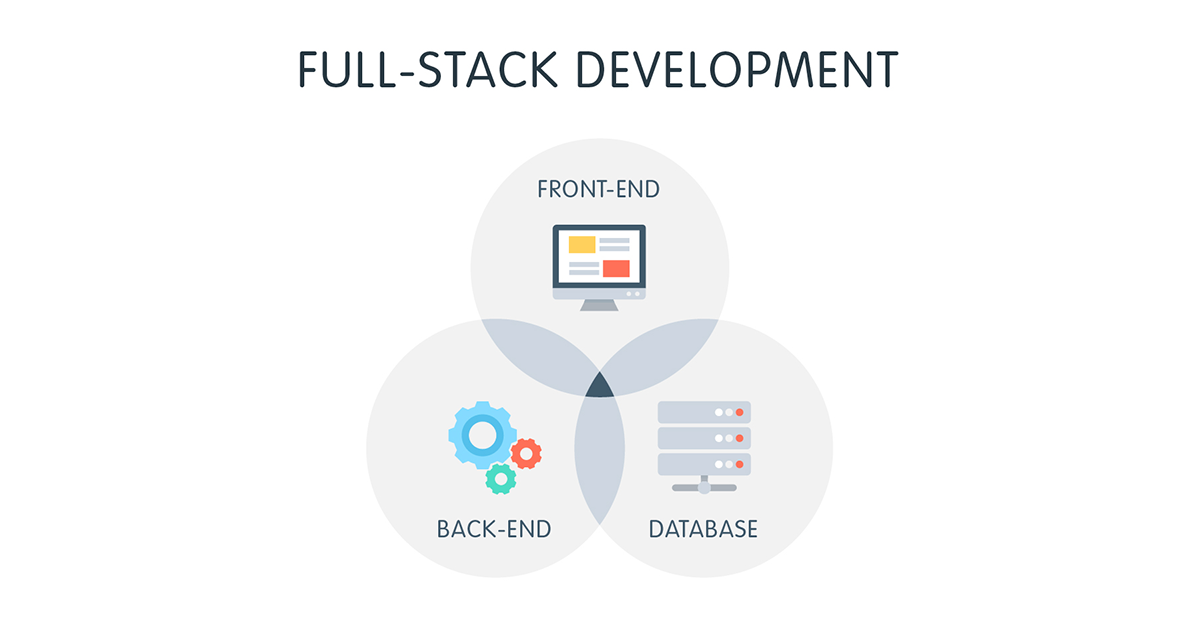
When it comes to web development, the decision to hire a full-stack developer can significantly impact the success of your project. A full-stack developer possesses a diverse skill set that enables them to work on both the front-end and back-end of applications. This versatility means that they can streamline the development process, ensure better communication between different layers of the project, and reduce the need for multiple specialized developers. By having a single point of contact who understands the entirety of your application, project management becomes simpler and more efficient, ultimately saving both time and costs.
Moreover, hiring a full-stack developer fosters innovation and enhances the quality of your product. With their comprehensive knowledge of various technologies and programming languages, full-stack developers are more adept at problem-solving and can implement creative solutions that may not be apparent to specialists confined to a single aspect of development. This holistic approach contributes to improved user experience and seamless integration of features. Therefore, if you're seeking a collaborative and resourceful individual who can adapt to various challenges, enlisting a full-stack developer is a strategic investment for your business.
Full-Stack vs. Specialized Developers: Which One Is Right for Your Project?
When it comes to building a successful project, one of the pivotal decisions you'll face is whether to hire full-stack developers or specialized developers. Full-stack developers are versatile professionals skilled in both front-end and back-end development. They possess a broad range of knowledge that allows them to work on various components of your project, providing a holistic approach. This can be particularly beneficial for startups and smaller projects where resource allocation is critical. Their adaptability often leads to smoother communication and faster turnaround times, essential for meeting tight deadlines.
On the other hand, specialized developers bring deep expertise in specific areas such as UI/UX design, database management, or server-side programming. If your project requires intricate functionalities or advanced features, having specialists may be the best route. To help you decide, consider the following factors:
- Project Complexity: For simpler projects, a full-stack developer may suffice. For complex tasks, specialists are ideal.
- Budget: Full-stack developers can be a cost-effective choice, while specialists often command higher rates.
- Future Maintenance: If ongoing support is necessary, think about the long-term capabilities of your team.
Top Skills to Look for in Your Next Full-Stack Development Hire
When hiring a full-stack developer, it’s crucial to identify key skills that will contribute to the success of your project. Start by assessing their proficiency in both front-end and back-end technologies. Look for experience with popular JavaScript frameworks like React or Angular for front-end development, along with a solid understanding of back-end languages such as Node.js, Python, or Ruby. Additionally, familiarity with database management, including SQL and NoSQL options like MongoDB, is essential for creating dynamic, data-driven applications.
Moreover, problem-solving skills are paramount in a full-stack developer. They should demonstrate the ability to troubleshoot issues and think critically under pressure. To gauge this competency, consider asking candidates to walk you through their thought process on past projects. Lastly, effective communication is vital; your developer must be able to articulate complex technical concepts to non-technical team members. By prioritizing these skills—technical proficiency, problem-solving capabilities, and communication—you can make a well-informed decision in your next hiring process.